Understanding the Core Principles of Effective Weight Loss Diet Recipes
Embarking on a successful weight loss journey, as detailed in the accompanying video, necessitates more than just cutting calories; it requires a comprehensive shift in dietary philosophy. Imagine if you meticulously tracked every calorie yet consumed foods devoid of essential nutrients. Such an endeavor would inevitably lead to fatigue, nutrient deficiencies, and eventual failure, despite your best intentions. Conversely, prioritizing whole, unprocessed foods naturally provides satiety and an abundance of vital vitamins and minerals. Effective diet recipes are strategically designed to maximize nutrient density while simultaneously controlling energy intake. This delicate balance ensures that your body receives adequate fuel for its metabolic processes without accumulating excess fat stores. Furthermore, incorporating lean proteins, complex carbohydrates, and healthy fats is paramount for maintaining muscle mass and optimizing hormonal function. Many individuals overlook the critical role of fiber in promoting digestive health and sustained fullness throughout the day.The Science Behind Losing 10kgs: Calorie Deficit and Metabolic Efficiency
The fundamental principle underpinning any successful weight loss initiative, including the 10kg achievement mentioned, is the creation of a consistent calorie deficit. This means consuming fewer calories than your body expends daily, compelling your system to tap into stored fat reserves for energy. However, simply restricting calories without considering their source can be counterproductive, potentially slowing your metabolic rate and making future weight loss more challenging. Optimizing metabolic efficiency involves fueling your body with high-quality macronutrients that support lean muscle mass. Prioritizing lean protein sources, such as chicken breast, fish, or legumes, helps preserve muscle tissue during a calorie deficit, which is crucial since muscle burns more calories at rest than fat. Complex carbohydrates, like oats and sweet potatoes, provide sustained energy release, preventing sharp blood sugar spikes and subsequent crashes. Healthy fats, found in avocados and nuts, are essential for hormone production and nutrient absorption, contributing significantly to overall satiety. Therefore, a well-structured diet recipe balances these elements perfectly.Crafting a Cheapest & Easy Meal Plan for Maximum Impact
Developing a budget-friendly and straightforward meal plan is often a significant hurdle for those aiming to lose weight effectively. Nevertheless, the secret to creating such a plan lies in smart grocery shopping, strategic meal preparation, and an astute understanding of staple ingredients. Consider the economic advantages of purchasing seasonal produce; these items are generally more affordable and offer peak nutritional value. Bulk buying non-perishable goods like grains and legumes can also yield substantial savings over time. Meal prepping, as implied by the video’s focus on easy recipes, revolutionizes the weight loss process by eliminating decision fatigue and preventing impulse eating. Dedicate a few hours each week to prepare batch meals or components, such as cooked grains, roasted vegetables, or grilled protein. This foresight ensures you always have healthy options readily available, significantly reducing reliance on expensive, unhealthy takeout. Imagine the convenience of having a pre-packed lunch ready every morning, saving both time and money.Smart Choices for Budget-Conscious Healthy Eating
Navigating the grocery store with a weight loss and budget mindset demands a specific strategy to maximize your return on investment. Focusing on affordable, nutrient-dense ingredients forms the cornerstone of a sustainable meal plan. Lentils, beans, and eggs, for instance, offer excellent protein sources without straining your finances, proving highly versatile in countless diet recipes. These ingredients also boast impressive fiber content, contributing to extended periods of fullness and digestive regularity. Oats, brown rice, and whole-wheat pasta serve as economical yet wholesome complex carbohydrate bases for numerous meals. These provide sustained energy and help manage blood sugar levels, preventing the energy dips often associated with refined grains. Moreover, frozen fruits and vegetables present a fantastic alternative to fresh produce, often being cheaper and retaining their nutritional integrity. Conversely, processed foods, despite their tempting price points, typically offer minimal nutritional value and should be avoided to support healthy weight loss.Incorporating Fruits into Your Weight Loss Journey: More Than Just “Any Kinds”
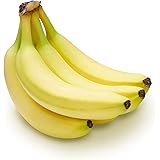
The assertion that “any kinds of fruits will do” for weight loss, as mentioned in the transcript, holds considerable truth, but a deeper understanding optimizes their integration into your diet. Fruits are unequivocally packed with vitamins, minerals, and dietary fiber, all essential components of a healthy eating regimen. Fiber, in particular, contributes significantly to satiety, helping to curb hunger pangs and reduce overall calorie intake throughout the day. However, considering the glycemic index and overall sugar content can refine your choices. Imagine incorporating a diverse array of fruits, each offering a unique profile of antioxidants and phytochemicals that combat inflammation and support cellular health. Berries, apples, and pears, for example, are excellent choices due to their high fiber content and relatively lower glycemic index compared to some tropical fruits. Nevertheless, even fruits with higher sugar content, like bananas or mangoes, provide invaluable nutrients and can be enjoyed in moderation, especially around physical activity. The key lies in variety and portion control.Optimizing Fruit Consumption for Maximum Health Benefits
While all fruits offer nutritional advantages, strategic consumption can amplify their benefits within a weight loss context. Pairing fruits with a source of protein or healthy fat, such as a handful of almonds or a scoop of Greek yogurt, can help slow sugar absorption and promote prolonged fullness. This combination mitigates potential blood sugar spikes that might occur when consuming fruit alone, particularly for individuals sensitive to carbohydrate intake. Ultimately, the emphasis should always remain on whole, unprocessed options. Diversifying your fruit intake ensures a broad spectrum of micronutrients and antioxidants, contributing to overall well-being beyond just weight management. For instance, citrus fruits are rich in Vitamin C, while darker berries boast high levels of anthocyanins, potent antioxidants. However, while delicious and convenient, fruit juices often lack the beneficial fiber found in whole fruits and can contribute to excess calorie intake without the same satiety. Therefore, prioritizing whole fruits over their liquid counterparts is a wise choice for effective weight loss.Shedding Light on Your Easy & Affordable 10kg Weight Loss: Q&A
What is the most important principle for losing weight?
The fundamental principle for weight loss is creating a consistent calorie deficit, which means consuming fewer calories than your body burns daily. This causes your body to use stored fat for energy.
Why is it important to eat healthy, nutrient-dense foods for weight loss?
Prioritizing whole, unprocessed foods ensures your body gets essential nutrients, helps you feel full longer, and supports metabolic health, preventing fatigue and nutrient deficiencies.
How can I make a weight loss meal plan affordable?
You can save money by purchasing seasonal produce, buying non-perishable goods like grains and legumes in bulk, and choosing budget-friendly proteins such as lentils, beans, and eggs.
What types of foods should I include in my diet for effective weight loss?
Focus on lean proteins, complex carbohydrates, and healthy fats, along with plenty of fiber. Examples include chicken breast, oats, sweet potatoes, avocados, and fiber-rich fruits and vegetables.
Are all fruits good for a weight loss diet?
Yes, fruits are beneficial due to their vitamins, minerals, and fiber, which help with satiety. It’s best to consume a diverse range of whole fruits in moderation, paying attention to portion sizes.