Are you searching for a vibrant, flavorful salad recipe that goes beyond the usual greens and dressing? If you’ve been watching the video above, you’ve already had a glimpse into a truly special homemade creation. Crafting the perfect salad is an art, where each ingredient plays a distinct role, much like instruments in an orchestra. The right balance transforms a simple side dish into a main event, bursting with texture and taste.
Far too often, salads become an afterthought, laden with store-bought dressings full of hidden sugars and artificial flavors. But what if you could create a dynamic, customizable salad from scratch, one that’s both incredibly delicious and genuinely good for you? This guide delves deeper into the philosophy behind a truly exceptional salad, inspired by the fresh, personal approach shared in the video.
Building Your Salad Masterpiece: The Foundation
Every great creation starts with a strong foundation, and for a salad, that’s your greens. While iceberg lettuce might offer crunch, its nutritional value is often compared to water, light, and airy, but lacking substance. The video highlights baby spinach as a personal favorite, often lauded for its robust flavor and impressive health benefits.
Darker greens, like spinach or mixed greens, are nutritional powerhouses. They provide a richer texture and deeper flavor profile compared to their paler counterparts. Consider your salad base as the canvas; a high-quality base allows all subsequent flavors to shine brilliantly. Experiment with various dark leafy greens like kale, arugula, or romaine to discover your own “genre” of salad leaves, as humorously put in the video.
The Art of Thin Slicing: Onions and Radishes
Red onion and radish are two ingredients that, when prepared correctly, can elevate your salad from good to extraordinary. The video emphasizes slicing these components “paper thin.” This isn’t just about aesthetics; it’s a critical technique for integrating their sharp, pungent flavors without overwhelming the dish.
Imagine a powerful drum solo that’s perfectly integrated into a song versus one that’s too loud and out of sync. Thick slices of onion or radish can be jarring, delivering an aggressive bite that dominates the palate. Thin slices, however, distribute that distinctive peppery and zesty essence more evenly, adding a subtle crunch and a bright, almost zesty, counterpoint to softer ingredients.
A Symphony of Colors and Textures: Vegetable Additions
Beyond the greens, the true character of any salad is defined by its supporting cast of vegetables. The beauty of this particular salad recipe lies in its vibrant array, showcasing how simple additions can create complex layers of flavor and texture.
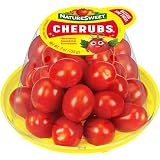
Heirloom-type tomatoes, with their diverse colors and sizes, offer a delightful burst of sweetness and acidity. Unlike larger, often watery cooking tomatoes, these smaller, firmer varieties are perfect for salads. They bring a juicy pop without making the salad soggy. Similarly, a crisp bell pepper adds sweetness and a pleasant crunch, serving as a cheerful counterpoint to the more assertive flavors.
Creamy Textures and Wholesome Goodness: Avocado and Beans
Avocado is often seen as a salad’s secret weapon, acting as a natural emulsifier that binds flavors together. Its creamy texture adds a luxurious mouthfeel and healthy fats that make the salad more satisfying. As noted in the video, a half an avocado for a salad for two not only tastes incredible but also helps to slightly thicken the dressing, ensuring every leaf is coated in deliciousness.
Garbanzo beans (chickpeas) and kidney beans introduce a robust, earthy element, transforming the salad into a more substantial meal. These legumes are fantastic sources of plant-based protein and fiber. Rinsing canned beans thoroughly, as demonstrated, removes excess sodium and starch, leaving them fresh and ready to absorb the dressing’s flavors. Think of them as the steady bassline in your flavor symphony, grounding the lighter notes.
Flavor Boosters and Crunchy Delights: Nuts, Pepperoncini, and Feta
What sets a memorable salad apart are those unexpected bursts of flavor and texture. Pine nuts, for instance, provide a delicate, buttery crunch. While the video mentions the option of almonds or other nuts, pine nuts offer a unique, subtly sweet note. Toasting them gently before adding can further enhance their nutty aroma and flavor profile, much like browning spices for a curry.
Pepperoncini, those tangy, slightly spicy pickled peppers, are a game-changer. Their salty, vinegary punch acts like a splash of zest, awakening the palate. Coupled with feta cheese, which offers its own distinctive salty and tangy creaminess, these ingredients create a delightful push-and-pull of flavors, keeping each bite interesting. Feta, with its crumbling texture, integrates beautifully, distributing its briny notes throughout the salad.
The Heart of the Salad: A Simple Homemade Dressing
The dressing is the soul of any salad, and this recipe’s homemade concoction is a testament to simplicity and taste. The video highlights how easy it is to whip up a dressing from scratch, avoiding the often sugar-laden and additive-filled store-bought versions. This dressing balances acidity, saltiness, and richness, making every component sing.
Starting with sea salt and a touch of pepper, the dressing builds flavor with garlic powder. The magic truly happens with red wine vinegar, providing that essential tangy base. Red wine vinegar, with its sharp yet fruity notes, cuts through the richness of the oil and the creaminess of the avocado. Finally, canola oil (or vegetable/olive oil) brings a smooth, emulsifying quality, carrying the flavors across your palate. The wisdom of “starting with less and adding more” is paramount here, allowing you to tailor the dressing precisely to your taste, much like adjusting the volume on your favorite song.
Customizing Your Culinary Canvas
The beauty of this particular salad recipe lies in its inherent adaptability. It’s not a rigid formula but a foundation upon which you can build. While the video showcases specific favorites, the philosophy is all about making it your own. Consider adding other ingredients that complement these flavors: crisp cucumbers for added freshness, marinated artichoke hearts for a briny kick, or grilled chicken or fish for a protein boost. Each addition is like adding a new color to your palette, allowing for endless creative possibilities.
Embrace the joy of experimentation. If you’re a fan of a little heat, a pinch of red pepper flakes could be an exciting addition. For an herbaceous note, fresh parsley or dill would be wonderful. Remember, the goal is to create a salad that excites your taste buds and reflects your personal culinary preferences, transforming a daily meal into a delightful experience.
Lettuce Talk: Your Go-To Salad Q&A
What kind of greens are recommended for the foundation of this salad?
The article suggests using darker greens like baby spinach, kale, arugula, or romaine because they are nutritional powerhouses with richer texture and deeper flavor compared to paler options.
Why is it important to slice ingredients like red onion and radish very thin in this salad?
Slicing them paper-thin helps to integrate their sharp flavors evenly throughout the dish without overwhelming other ingredients. This technique provides a subtle crunch and a zesty counterpoint.
What makes the homemade dressing special in this recipe?
The homemade dressing is celebrated for its simplicity and taste, allowing you to avoid store-bought versions often full of sugar and additives. It balances acidity, saltiness, and richness using basic ingredients like red wine vinegar, garlic powder, and oil.
Can I customize the ingredients in this salad to my liking?
Yes, this recipe is designed to be highly adaptable, serving as a foundation for your own culinary creativity. You can add or swap ingredients like cucumbers, artichoke hearts, or grilled protein to match your personal preferences.