A recent video demonstrated how to create five organic $15 dinners for the week. This practical guide highlights a common challenge. Many families seek nutritious, organic food. However, high costs often create a barrier. Fortunately, strategic planning makes organic eating affordable. This post will delve deeper into those strategies. We will explore how to stretch your organic dollar. Furthermore, we will build upon the meal ideas presented in the video.
Unlocking Affordable Organic Meals: Your $15 Dinner Guide
Eating organically does not require a large budget. The key lies in smart shopping and preparation. The video showcases excellent examples of this. It provides actionable dinner ideas. Each meal aims for both health and economy. We can replicate this success. Understanding cost-saving principles is crucial. This approach enables consistent organic consumption.
The Strategy Behind Budget Organic Meals
Achieving organic meals within a $15 budget per dinner is entirely feasible. This involves several intentional choices. One primary strategy is utilizing versatile ingredients. Items like a whole chicken offer multiple meal opportunities. This reduces overall ingredient cost. Moreover, it minimizes food waste. Another tactic involves leveraging frozen produce. Frozen organic options are often cheaper. They also maintain nutritional value. Making components from scratch further saves money. Homemade sauces avoid added expenses. These small adjustments accumulate significant savings.
Careful meal planning is also essential. Knowing your meals in advance prevents impulse buys. It also ensures efficient grocery trips. Portion control contributes to cost-efficiency. Using “half” of ingredients across different meals exemplifies this. This method maximizes ingredient use. It avoids buying excessive amounts. These practices make organic eating accessible.
Smart Sourcing: Maximizing Organic Value
Sourcing organic ingredients intelligently is vital for budget success. The video highlighted buying frozen salmon. This is a brilliant cost-saving move. Frozen organic salmon is often more affordable. It also has a longer shelf life. This reduces spoilage and waste. Consequently, your budget stretches further. Similarly, purchasing a whole organic chicken offers immense value. A whole chicken costs less per pound. You can roast it once. Then, use different parts for various meals. This includes chicken salads, burritos, and more.
Another smart sourcing tip involves seasonal produce. Buying organic fruits and vegetables in season is cheaper. They are also at their peak flavor and nutrition. Consider local farmer’s markets for deals. Some markets offer organic options directly from growers. This can sometimes bypass higher supermarket markups. Finally, look for organic sales and discounts. Stock up on staples when they are on offer. This helps build a budget-friendly organic pantry.
Crafting Flavor: Homemade Sauces and Seasonings
Homemade condiments significantly reduce meal costs. Store-bought organic sauces can be expensive. They also sometimes contain unwanted additives. The video demonstrated a simple, delicious sauce. Combining one part mayo with one part sriracha creates a vibrant topping. This versatile sauce elevates dishes. It works well with salmon bowls. This simple preparation showcases resourcefulness. Making your own taco seasoning is another excellent example. Blending spices like chili powder, cumin, and paprika costs very little. It creates fresh, potent flavor. This also avoids pre-packaged mixes. These often contain anti-caking agents or excess sodium. Crafting these elements yourself provides control. It ensures high-quality, organic ingredients. This commitment to homemade basics is a cornerstone. It supports affordable organic eating.
Further homemade additions might include salad dressings. A simple vinaigrette uses olive oil, vinegar, and herbs. This beats store-bought options for cost and freshness. Similarly, homemade guacamole uses fresh avocados. It combines them with onion, cilantro, and lime juice. This provides a clean, nutrient-rich addition. It is often more cost-effective. These small culinary efforts compound. They result in substantial savings over time. Moreover, they enhance the overall flavor profile. This makes your organic meals truly special.
Meal Prep for Organic $15 Dinners
Effective meal preparation is paramount. It ensures adherence to budget and health goals. The video’s approach is a great example. Cooking a whole chicken once provides protein for two distinct meals. Half the rice from one meal can then serve another. This systematic thinking saves time and money. It also reduces daily cooking stress. Preparing larger batches of staples works well. Cooking a large pot of organic rice or quinoa is efficient. This staple can be used in bowls, burritos, or as a side. Similarly, chopping vegetables in advance saves time. Pre-portioned ingredients simplify weeknight cooking. This consistency supports an organic lifestyle.
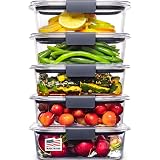
Consider dedicating a specific time each week for meal prep. This might be a Sunday afternoon. Focus on batch cooking core ingredients. Roast vegetables, cook grains, and prepare proteins. Store these components in airtight containers. This organized approach streamlines dinner assembly. It minimizes waste from unused ingredients. Therefore, meal prepping becomes a powerful tool. It helps sustain an affordable organic diet.
Versatile Organic Recipes: Expanding Your Menu
The video presented diverse organic meal ideas. These included Salmon Bowls and Chicken Burritos. Each recipe can be adapted easily. For example, the Salmon Bowls feature frozen salmon. Pair this with homemade sriracha mayo. Add rice and your favorite organic greens. This provides a balanced meal. The Sausage and Veggie Sauté uses chicken sausage. Combine it with various organic vegetables. This offers flexibility based on what is in season. Barbecue Chicken Salad uses leftover chicken. This provides a fresh, protein-rich option. Serve it with organic sourdough bread.
Chicken Burritos utilize the other half of the roasted chicken. Fill organic tortillas with lettuce and homemade guacamole. Incorporate your homemade taco seasoning. These burritos are customizable. Burger Bowls offer another adaptable meal. These feature organic ground meat or a veggie patty. Top with remaining guacamole. Add a side of organic broccoli. Each meal highlights cost-effectiveness. They emphasize organic ingredients. They prove that healthy eating can be both delicious and budget-friendly. These concepts encourage culinary creativity. They expand your repertoire of organic $15 dinners.
Key Takeaways for Sustainable Organic Eating
Embracing a budget-conscious organic diet is achievable. It requires thoughtful planning and execution. Prioritize versatile ingredients like whole chickens. Utilize cost-effective options such as frozen organic salmon. Commit to making sauces and seasonings from scratch. These small changes yield substantial savings. Additionally, integrate meal preparation into your routine. This streamlines cooking and reduces waste. The video provided five excellent organic $15 dinners. These serve as a foundational guide. By applying these strategies, you can maintain a healthy lifestyle. You can also respect your financial boundaries. Sustainable organic eating is within reach for everyone.
Simmering Solutions: Your Organic & Affordable Dinner Q&A
Is it possible to eat organic food without spending a lot of money?
Yes, this guide shows that with smart planning and preparation, you can create nutritious organic dinners for around $15 each.
What are some smart ways to buy organic ingredients on a budget?
To save money, consider buying versatile ingredients like a whole chicken, choosing frozen organic produce like salmon, and looking for seasonal fruits and vegetables.
Why is making sauces and seasonings at home beneficial for budget organic meals?
Making your own sauces and seasonings is cheaper than buying pre-made organic options and allows you to control the ingredients, avoiding unwanted additives.
How can meal preparation help me stick to a budget for organic dinners?
Meal preparation, like cooking a whole chicken to use in multiple meals, saves time and money by efficiently using ingredients and reducing daily cooking stress and waste.